Why American Sports Fans Are Starting to Notice Al Ittihad — And They Should
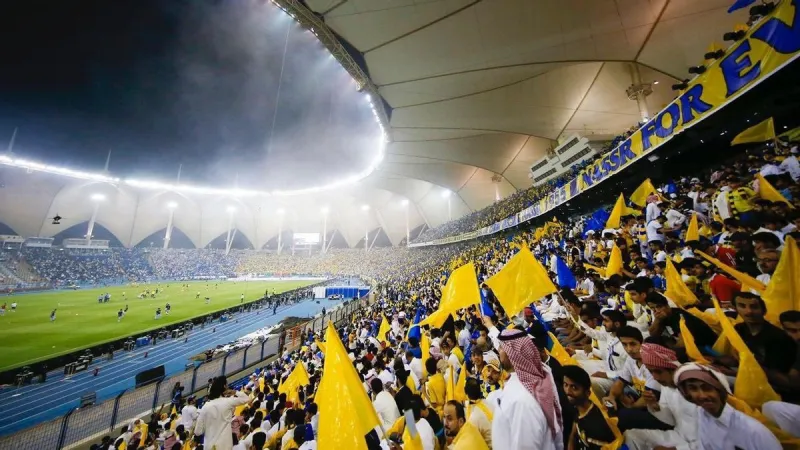
Photo: soccer stadium crowd yellow jerseys Saudi Arabia football fans, via imgsrv2.voi.id
Remember when Major League Soccer felt like a retirement league? Or when the English Premier League seemed too foreign, too far away for American fans to really care about? Those narratives aged badly. The same shift is quietly happening right now with Saudi Arabian football — and Al Ittihad is right at the center of it.
If you're a US sports fan who's only recently heard the name Al Ittihad, you're not alone. But you might be a little late to the party.
The Karim Benzema Effect — And What It Signals
When Karim Benzema — a Ballon d'Or winner, a Champions League legend, a guy who shared a dressing room with Cristiano Ronaldo at Real Madrid — signed with Al Ittihad in the summer of 2023, it wasn't just a football story. It was a culture moment. Sports media in the US covered it the same way they'd cover a superstar switching conferences in the NBA. People had opinions. People were curious.
That curiosity doesn't just evaporate. It compounds.
Benzema's arrival was a signal flare. It told American sports fans — many of whom follow global football casually through highlights and social media — that something serious was being built in Jeddah. Al Ittihad wasn't just spending money. It was assembling a roster with name recognition that cuts across generations and continents.
N'Golo Kanté. Fabinho. These aren't obscure names to anyone who watched the Premier League or Champions League over the last decade. For US fans who grew up watching Chelsea or Liverpool, seeing those players in Al Ittihad's yellow and black kit creates an immediate point of connection.
The Saudi Pro League's American Moment
Here's a useful comparison: think about how the Premier League broke into the American consciousness. It didn't happen overnight. It took NBC Sports acquiring broadcast rights, it took fantasy football culture, it took social media highlight reels, and it took a generation of American kids growing up playing FIFA on PlayStation and learning the names of clubs from around the world.
The Saudi Pro League is somewhere earlier on that same curve — but the curve is steeper now because the infrastructure for global sports consumption already exists. You don't need a cable package to follow Al Ittihad. You need a phone and a social media account.
US soccer fans are already more globally literate than ever. They follow La Liga, the Bundesliga, Serie A. They know what a proper rivalry looks like. And when a league starts signing players they recognize — players they've cheered for or rooted against — the barrier to entry drops dramatically.
Why Al Ittihad Specifically?
Not every club in the Saudi Pro League has the same crossover potential. Al Ittihad has something that's genuinely hard to manufacture: a combination of history, identity, and ambition that makes it compelling to outsiders.
The club is one of the most decorated in Saudi football history, with a trophy cabinet that commands respect domestically. But beyond the silverware, there's a brand identity — the Yellow Ones, the tigers, the passionate fanbase in Jeddah — that translates visually and emotionally. American sports culture responds to that kind of thing. Think about how quickly fans in the US gravitated toward clubs like Borussia Dortmund or AS Roma once they started appearing in documentaries and streaming content. The aesthetic matters. The story matters.
Al Ittihad has both.
The Media Pipeline Is Already Opening Up
American sports media is notoriously slow to cover anything outside the major domestic leagues — NFL, NBA, MLB, NHL — unless there's a compelling hook. Al Ittihad is starting to provide those hooks consistently.
ESPN and CBS Sports have both increased their Saudi Pro League coverage, even if it's still modest compared to Premier League content. YouTube highlight channels that focus on global football regularly feature Saudi league goals and analysis. Podcasts that cover world football are dedicating more time to the league.
This isn't random. It follows the attention. And the attention follows the players.
When a club fields names that American fans already have emotional attachments to, the media coverage follows. Al Ittihad's roster strategy — targeting established global stars rather than building quietly through youth development — is, whether intentional or not, an extremely effective media strategy for international audiences.
What US Fans Can Expect Going Forward
If you're coming to Al Ittihad fresh, here's the honest pitch: this is a club in the middle of a genuinely interesting transformation. It's not a finished product. There are growing pains, tactical questions, and the unique challenge of integrating world-class talent into a league that's still developing its global profile.
That's actually more interesting than watching a dynasty coast. There's something to follow, something to debate, something to invest in emotionally.
For American sports fans who love an underdog narrative, a franchise rebuild, or a big-spending team trying to figure out how to win — Al Ittihad offers all of that, wrapped in a cultural context that's genuinely worth understanding.
The question isn't whether American sports media will eventually take the Saudi Pro League seriously. It's whether you'll be ahead of the curve when it happens.
At Ittihad Nation, we'd argue the time to start paying attention is now.