Done With the Hype Machine? Here's Why Disillusioned American Fans Are Finding a Real Home at Al Ittihad
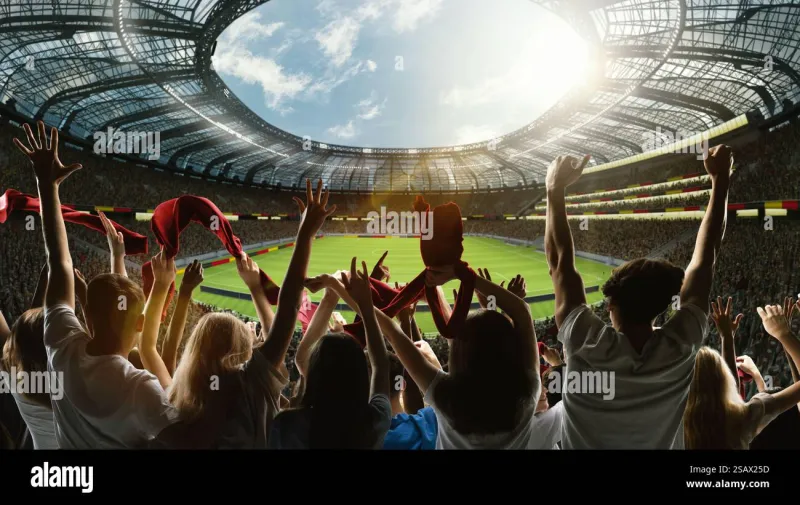
Photo: passionate soccer fans stadium yellow scarves night match, via c8.alamy.com
Somewhere between the third ownership group rebrand of your favorite franchise and the fourteenth podcast episode debating whether a star player's trade demand was "good for the league," something snapped. Maybe it happened during a nationally televised game that somehow felt like a commercial for itself. Maybe it was the moment you realized the team you grew up loving had been quietly converted into a content platform with jerseys attached.
Whatever the breaking point was, you're not alone. A quietly growing slice of the American sports-watching public is stepping back from the machine — and a surprising number of them are landing on Al Ittihad FC.
The Burnout Is Real, and It Has a Name
Sports burnout in the US isn't just about losing teams or bad seasons. That kind of pain is actually part of the deal — fans sign up for it. What's different now is a creeping sense that the whole enterprise has been optimized for engagement metrics rather than emotional truth.
The NFL offseason now runs twelve months. The NBA trade deadline generates more content than most playoff runs. College athletics just blew up its entire structure in a scramble for TV money. Even the sports media that covers all of this has become its own self-referential universe, where the conversation about the sport has swallowed the sport itself.
Fans — particularly those in their late twenties through early forties — are noticing. They're not quitting sports entirely. They're shopping around. And what they're finding when they stumble onto Al Ittihad is something that feels almost startlingly different.
What Ittihad Has That the Hype Machine Doesn't
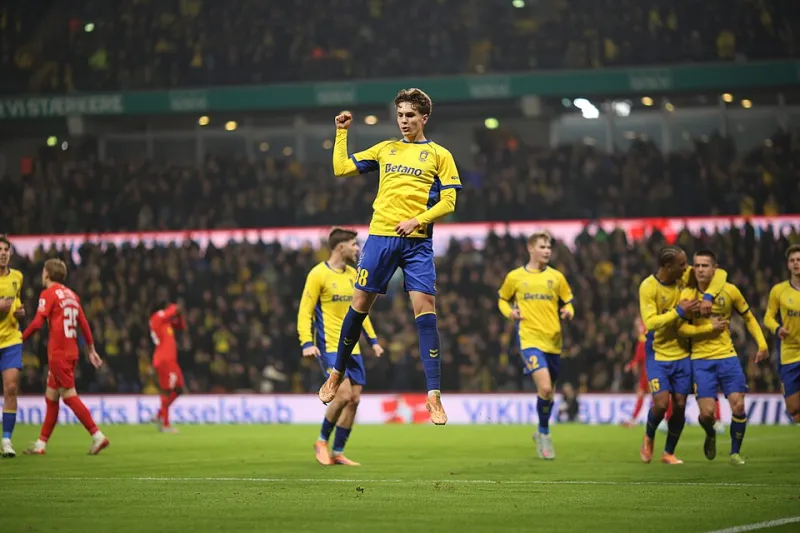
Al Ittihad was founded in 1927 in Jeddah, Saudi Arabia. It's the country's most decorated club, a multiple-time Saudi Pro League champion, and a side with a cultural identity so deeply embedded in its city that you genuinely cannot separate the two. The yellow and black isn't a color scheme some branding agency landed on after a focus group. It's a inheritance — passed from grandparents to parents to kids across generations of Jeddah families.
That kind of rootedness is exactly what American sports fans are starving for, even if they couldn't have told you that before they found it.
When US fans start following Ittihad, the thing they mention most often isn't the marquee signings or the stadium atmosphere (though both are legitimately impressive). It's the feeling that the club cares about being a club. The identity isn't negotiable. The history isn't decorative. The passion in the stands isn't choreographed.
The Authenticity Gap in American Sports
Here's a useful way to think about it. When an American team signs a global superstar, the conversation immediately pivots to brand expansion, jersey sales in new markets, and what it means for the league's international strategy. The player becomes a marketing vehicle almost before they've played a single minute.
When Al Ittihad brought in players like Karim Benzema and N'Golo Kanté, yes, there was global attention. But inside the club's ecosystem, the framing was different. These were players joining a project — a genuine attempt to build something competitive and ambitious — not mascots for a content strategy. The difference in tone is subtle but fans pick up on it fast.
That authenticity gap is widening in American sports, and Ittihad sits squarely on the right side of it.
A Club That Lets You Feel Something Real
One of the stranger side effects of over-produced sports entertainment is that it actually makes it harder to feel things. When every moment is packaged, every rivalry is narrativized, and every game comes pre-loaded with a storyline the broadcast team has been building for three weeks, genuine surprise and genuine heartbreak become rare. The emotional range gets compressed.
Al Ittihad, watched from a couch in Chicago or Phoenix or Charlotte at some slightly inconvenient hour of the morning, delivers something rawer. You're watching a club that plays with urgency because the stakes are real to the people in those stands. The Jeddah Derby against Al Ahli isn't a marketing rivalry — it's a fault line that runs through the city itself. When Ittihad wins it, the celebration isn't calibrated for social media. When they lose it, the hurt is actual.
For fans who've forgotten what that feels like, it's almost disorienting at first. Then it becomes addictive.
The Entry Point Is Easier Than You Think
A common hesitation American fans have about following a foreign club — especially one outside the traditional European leagues — is the learning curve. Saudi football, Saudi culture, a league structure that looks different from anything familiar. It seems like a lot of homework.
But here's the thing: the homework is the fun part. Learning about Ittihad's history, understanding why the club colors matter, figuring out the rhythms of the Saudi Pro League season — all of it is genuinely interesting, and none of it requires a degree in Middle Eastern studies. The club's global profile has made English-language coverage more accessible than ever, and the community of international fans is welcoming in a way that bigger European club fanbases sometimes aren't.
You don't have to know everything on day one. You just have to be curious.
This Isn't a Trend. It's a Reset.
It would be easy to frame the American interest in Al Ittihad as a trend — another novelty in a sports media landscape that runs on novelty. But that misreads what's actually happening. These aren't fans chasing clout or looking for a contrarian take. These are people who genuinely needed sports to feel like something again, and found a club that delivered.
The Ittihad effect isn't about Saudi football being objectively better than American sports. It's about what happens when a club's identity is built on something durable — history, community, pride — rather than something manufactured. American fans are perceptive enough to feel that difference, even across twelve time zones.
If you've been feeling the burnout, the hollow rattle of the hype machine getting to you, it might be worth setting an alarm one Saturday morning. Pull up an Al Ittihad match. Watch what happens when a stadium full of people cares about something real.
You might not be able to explain exactly why it hits different. But it will.