Two Stadiums, One Obsession: An Hour-by-Hour Diary of Matchday in Jeddah and Philadelphia
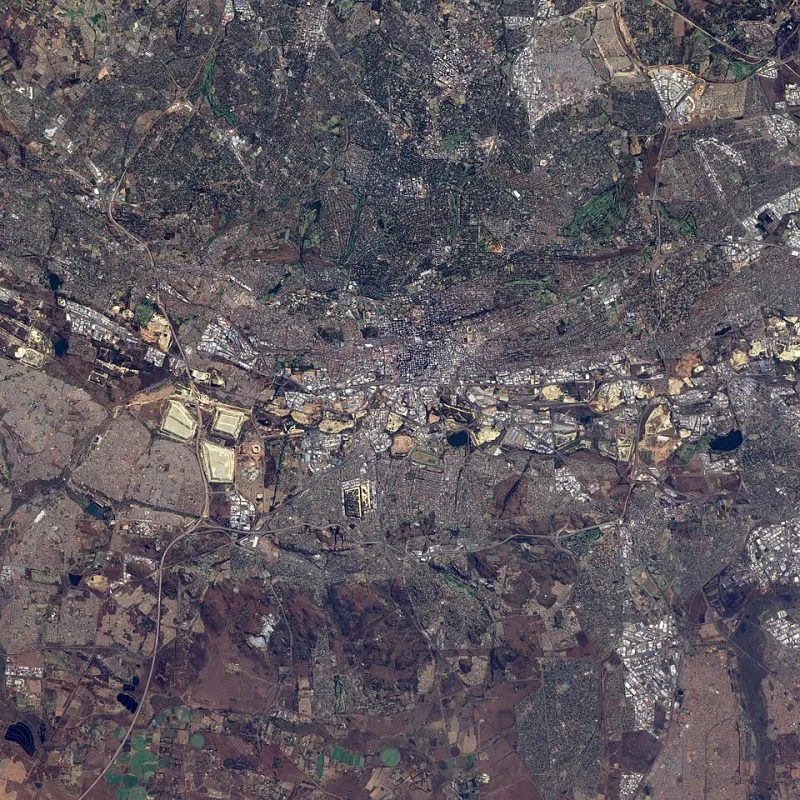
Photo: NASA Goddard Space Flight Center from Greenbelt, MD, USA, CC BY 2.0, via Wikimedia Commons
I've spent the last year splitting my matchdays between two very different stadiums: Al Ittihad's home in Jeddah on my laptop and in person, and the Eagles and Union games I've attended my whole life in the Philadelphia area. Same sport (mostly), same emotional wiring, completely different architecture of the day.
So I kept a diary. Here's how the two stack up, hour by hour.
Three Hours Before Kickoff
Jeddah: Families start arriving early, but the pregame happens in the concourses and gathering spots around the stadium — coffee, conversation, kids kicking a ball in any open patch of concrete. There's food, but it's secondary. The gathering is the event.
Philadelphia: Tailgating is a contact sport. Parking lots fill with canopies, grills, and generations of the same family arguing about the depth chart. It's genuinely wonderful and genuinely chaotic.
Verdict: Philly wins on food culture, Jeddah wins on including everyone. American tailgates often feel like a party the stadium happens to be next to. In Jeddah, the gathering flows into the match without a hard border.
One Hour Before Kickoff
Jeddah: The stands start filling in earnest, and the noise builds gradually. The supporter sections organize — drums, banners, call-and-response chants that have been running for years. Nobody needs a prompt. The ritual is inherited.
Philadelphia: The stadium is maybe half full. Fans drift in with beers, check their phones, watch warmups. The chants exist but they're scattered, and the atmosphere depends heavily on how big the game is.
Verdict: This is the widest gap of the day. Saudi supporter culture treats the 60 minutes before kickoff as part of the match. American stadiums treat it as a lobby.
Kickoff Through Halftime
Jeddah: Continuous sound. Not manufactured noise — organized singing and drumming that ebbs and flows with the game. Halftime is short, and the crowd doesn't empty out; the conversation continues in the seats.
Philadelphia: Loud in bursts, quiet in long stretches. Halftime means bathroom lines and concession runs. The crowd is a spectator, not an instrument.
Verdict: American stadiums could learn something here. The constant presence of supporter noise changes how the game feels — for fans and, players will tell you, for them.
Ticket Prices and Family Seating
Jeddah: Matchday tickets are affordable enough that taking three kids is a normal decision, not a financial plan. Family sections are a real, deliberate part of the stadium layout.
Philadelphia: Bring the family of four to an NFL game and you're north of $400 before parking. Family seating exists but often feels like an afterthought priced like everything else.
Verdict: No contest. American sports have priced out the casual family outing, and it's the single biggest thing US stadiums should be studying from football cultures abroad.
After the Final Whistle
Jeddah: Fans linger. Win or lose, the conversation continues outside the stadium — analysis, arguments, laughs. The match doesn't end; it dissolves slowly into the evening.
Philadelphia: Everyone funnels to the parking lot or the train. If the Eagles lost, the drive home is silent. If they won, the tailgate briefly resurrects. Either way, there's a hard stop.
What Each Side Should Borrow
American stadiums should steal: affordable family tickets, pre-match atmosphere as ritual rather than filler, and supporter sections with real organization.
Saudi matchdays could borrow: the tailgate's communal food culture and the American stadium's ease of logistics — getting 70,000 people in and out efficiently is genuinely a science here.
Two stadiums, one obsession. The details differ. The love doesn't.