Say It Like a Tiger: 12 Arabic Phrases That Will Make Your Al Ittihad Fandom Feel Real
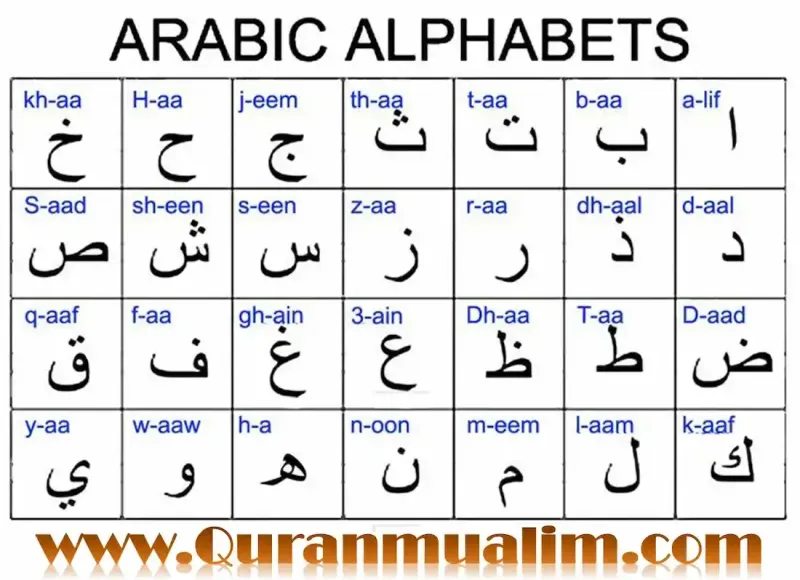
Photo: Arabic calligraphy coffee cup soccer scarf football fan, via www.quranmualim.com
There is a moment in every American Al Ittihad fan's life when the English commentary drops out, the crowd noise takes over, and you realize you have no idea what anyone is saying. That is not a problem. It is an invitation. You do not need to become fluent overnight. You need a small toolkit of phrases that make matchday feel less like watching from a distance and more like standing in the yellow-black corner.
A quick note before the list: Arabic is not one accent, one slang, or one volume level. A phrase that sounds perfect in a stadium chant can sound strange in a group chat or a work email. Learn the words, but also learn the room. Here are twelve phrases worth keeping close, with pronunciation, timing, context, and the occasional warning.
1. Yalla — يلا
Pronunciation: YAL-lah. When to use it: Kickoff, a counterattack, or the moment your stream finally loads. Context: It is the all-purpose 'let's go' of Arabic football. Short, loud, and impossible to overuse in a stadium. Warning: It can also mean 'hurry up.' Yelling it at a stranger in line is not the same as yelling it at a winger.
2. Hadaf — هدف
Pronunciation: ha-DAF. When to use it: The instant the ball hits the net. Not three seconds later. The instant. Context: It simply means goal. It is the word you will hear before the commentator starts screaming. Warning: Do not drop it into a work email as a synonym for 'target.' Your boss will not be impressed by your Arabic.
3. Al-Numur — النمور
Pronunciation: al-no-MOOR. When to use it: Chants, hashtags, and any time you want to sound like you know the club's identity. Context: It means the Tigers, the nickname that fits the yellow and black. Warning: This is plural. One tiger is namir. Do not call a single player 'Al-Numur' unless you are trying to confuse everyone.
4. Kulluna Ittihad — كلنا اتحاد
Pronunciation: kul-lu-na it-ti-HAD. When to use it: After a goal, before a big match, or when the group chat needs a rallying cry. Context: It means 'we are all Ittihad.' It is about unity, which is literally what the club name means. Warning: Great as a chant. Less great as a way to end an argument about whose turn it is to buy coffee.
5. Ya Ittihad — يا اتحاد
Pronunciation: ya it-ti-HAD. When to use it: In a chant, a scarf raise, or a stadium-style call-and-response. Context: The 'ya' is a direct address, like 'oh Ittihad.' It is pure terrace energy. Warning: Do not text this to your landlord. It is not a formal greeting.
6. Mabrook — مبروك
Pronunciation: mab-ROOK. When to use it: After a win, a good signing, or a friend finally finds the match stream. Context: It means congratulations. Simple, warm, and useful beyond football. Warning: It can feel a little formal in a group chat full of chaos. Add a tiger emoji and you are fine.
7. Inshallah — إن شاء الله
Pronunciation: in-shah-ALLAH. When to use it: Talking about the next match, a future trip to Jeddah, or any plan that is not guaranteed. Context: It means 'God willing.' It is deeply common in everyday speech across the Arab world. Warning: In American English, people sometimes use it as a flaky 'maybe.' Do not treat it that way. If you say it, mean it.
8. Khalas — خلاص
Pronunciation: KHA-las. When to use it: The final whistle, a done deal, or the moment you need the group chat to stop arguing about the lineup. Context: It means enough, finished, or done. It is one of the most useful words in Arabic. Warning: Tone matters. Said sharply, it can sound rude. Said with a shrug after a loss, it is perfect.
9. Ya salam — يا سلام
Pronunciation: ya sa-LAM. When to use it: A beautiful touch, a ridiculous save, or a pass that makes you stand up. Context: It is an exclamation of admiration, like 'wow' or 'beautiful.' Warning: It can also be sarcastic. Context is everything. A dry 'ya salam' after a missed sitter says plenty.
10. Sahtain — صحتين
Pronunciation: sah-TAYN. When to use it: Halftime food, a watch-party spread, or the moment someone hands you coffee. Context: It means 'two healths,' a warm way to say bon appétit or enjoy your meal. Warning: Do not use it for a goal. It is for food, not football. Keep the categories clean.
11. Shukran — شكراً
Pronunciation: SHUK-ran. When to use it: Thanking the bartender who found the match, the friend who hosted, or the stranger who explained the offside rule. Context: It means thank you. Basic, polite, and always welcome. Warning: It is not a substitute for actually being grateful. Say it, then tip.
12. Ahlan wa sahlan — أهلاً وسهلاً
Pronunciation: AH-lan wa SAH-lan. When to use it: Welcoming a new fan to the watch party or greeting someone at the bar. Context: It is a generous welcome, closer to 'welcome' than a plain hello. Warning: It is not the phrase for every casual greeting. If you are unsure, a smile and a scarf will do half the work.
The One Warning That Matters Most
If you learn only one caution from this list, make it this: do not throw around wallah as a casual filler. It is an oath, not a verbal tic. In a chant or a passionate matchday moment, it can land. In a group chat about brunch, it can sound like you are swearing on something you did not mean to swear on.
Arabic will not make you a real fan overnight. Showing up, learning the club, and respecting the culture will. But a well-timed yalla, a clean hadaf, and a sincere shukran will get you closer to the feeling that you are not just watching Al Ittihad from far away. You are joining the noise.