From FIFA Menus to the Terraces: How Al Ittihad Became a First Team for American Teenagers
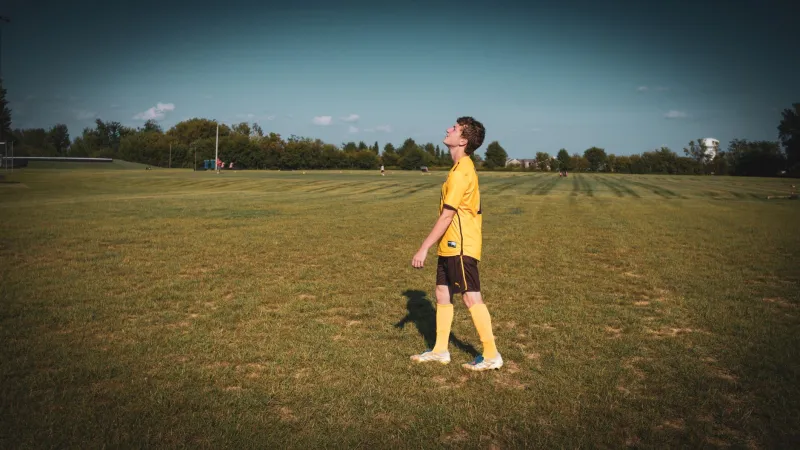
There's a video that made the rounds last spring: a high school kid in an Al Ittihad third kit doing a goal celebration in his driveway in Ohio, captioned something like "my club." The comments were split between Saudis welcoming him and confused classmates asking what team that even was.
Both reactions were right. Because what's happening with Al Ittihad's youngest American fans — the middle schoolers and high schoolers discovering the club — doesn't follow any traditional fandom playbook. There was no family connection, no local ties, no TV era. There was a video game, an algorithm, and a lot of highlight clips.
The Video Game Pipeline Is Real
Ask almost any young American Al Ittihad fan how they found the club and you'll hear a version of the same story: "I saw the team in FIFA/EA FC and the badge was cool." That's it. That's the origin story.
When the Saudi Pro League's roster explosion put global stars into Saudi clubs, those players showed up in the world's most popular sports game — and teenagers, who experiment with teams the way they experiment with sneakers, started picking Al Ittihad in career modes and online friendlies. The black and yellow stripes look sharp on a screen. The club name sounds powerful. The squad was suddenly loaded. For a 14-year-old, that's a complete pitch.
"I picked them in career mode because the kits went hard," one 16-year-old fan from Ohio told me over DM. "Then I looked up actual highlights and Benzema was doing Benzema things. I've been watching real matches ever since. My friends think I'm weird. I think they're boring."
The Algorithm Did the Rest
Here's where it compounds. Watch three Al Ittihad clips on TikTok or YouTube and the feed decides you're an Al Ittihad account now. The club's highlights — fast, physical, full of recognizable stars — are perfect short-form content. Creators who make Saudi Pro League content in English, once a tiny niche, have watched their followings spike as young viewers flood in.
One creator who runs a Saudi football explainer channel told me his audience demographics shifted dramatically over the past two years: "It used to be expats and hardcore football heads. Now it's literally 15-year-olds in the Midwest asking me what the Jeddah derby is. I had to explain a derby to a kid whose entire reference point is Ohio State versus Michigan. Actually — that worked great. He got it immediately."
That comparison comes up again and again. Young American fans don't experience Al Ittihad as foreign; they experience it the way they experience any fandom they found online — through clips, community, and merch. A Saudi club is just another subscription in their feed, sitting next to an NBA highlight account and a K-pop fancam. Digital natives don't gatekeep by geography.
What It Means to Wear Yellow in Ohio
The practical experience of these young fans is genuinely different from any previous generation of American soccer fans. They can watch matches live (the kickoff times, usually midday Eastern, fit neatly around school — better than European club games ever did). They can join Discord servers with fans in Jeddah. They can order shirts that arrive in a week. And when they show up at pickup games in an Al Ittihad kit, they're not bandwagoning a champion — they're early adopters of something their friends barely know exists.
That's a powerful position for a teenager. Being the one person in your school who knows about something cool is the entire economy of youth culture.
There are friction points, to be fair. Language barriers in match discussions. Occasional confusion about the league structure and cup competitions. The usual awkwardness of adopting a club you've never seen play in person. But every global fanbase started exactly there.
The Long Game
Nobody at the club's academy level planned for a teenager in Columbus to become a supporter. But the infrastructure — global gaming presence, accessible streaming, clip-friendly style of play, a fanbase that welcomes newcomers online — has combined into something organic. These kids are the first American generation for whom a Saudi club is a default option, not a curiosity.
Ask that Ohio teenager if he'll ever see a match in Jeddah. "Obviously," he said, like the question was silly. "That's the whole point."
He's 16. The club has him for the next sixty years.