Why American Fans Are Done Chasing Prestige and Starting to Find Something Real in Jeddah
There's a moment a lot of American sports fans hit — usually somewhere between watching a franchise relocate for a shinier stadium deal and sitting through a 45-minute halftime show sponsored by three different banks — where they start asking themselves a pretty uncomfortable question: Is any of this actually real?
Not real in the literal sense. Obviously the games are real. But the feeling of it. The sense that a club exists because a community needed it to exist. That the people in the stands have a generational claim on what happens on that pitch. That the colors mean something beyond a licensing deal.
That's the feeling a growing number of American fans are finding when they stumble onto Al Ittihad FC — and it's not what most of them were expecting.
What 'Authenticity' Actually Means in Global Football
Authenticity gets thrown around a lot in sports media. Every franchise claims it. Every rebrand promises to "return to the roots." But in global football, authenticity has a pretty specific meaning — and it's harder to fake than a logo refresh.
A club is authentic when it can't be fully separated from the place it came from. When the stadium isn't just a venue but a neighborhood landmark. When the rivalry isn't manufactured by a marketing team but inherited through decades of genuine conflict. When fans don't choose the club the way they'd choose a streaming service — they're born into it, or they're pulled into it by something they can't quite explain.
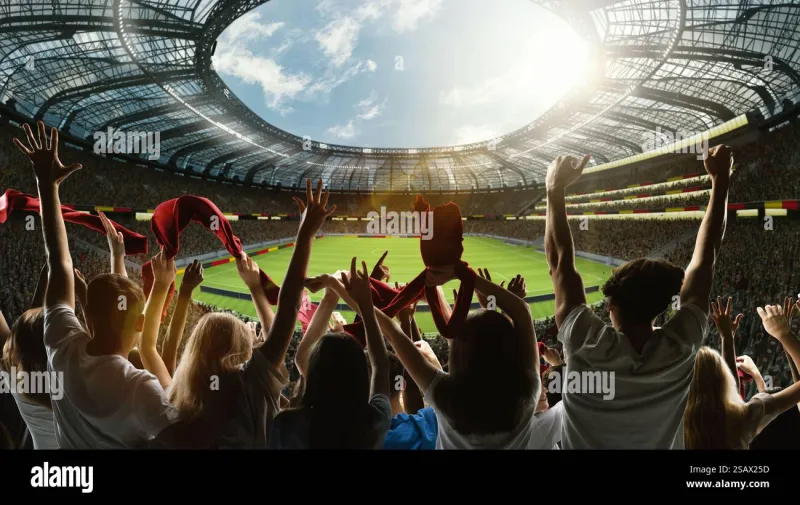
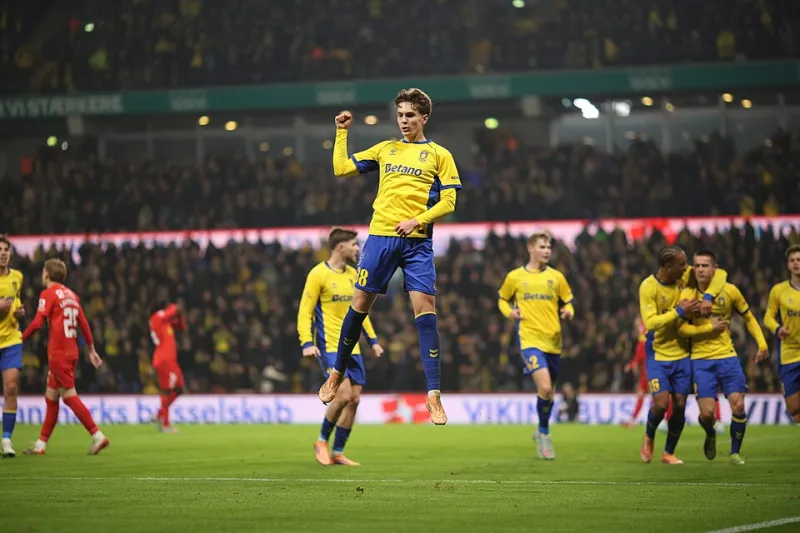
Al Ittihad was founded in 1927. That's not a footnote — that's a foundation. The club grew out of Jeddah at a time when the city itself was still defining what it wanted to be. The yellow and black colors, the nickname "The Tiger," the Al-Jawhara stadium packed with supporters who've been showing up for generations — none of that was assembled by a focus group. It just happened, the way real sporting culture always does: slowly, stubbornly, and with a lot of passion along the way.
For American fans who've watched their own franchises get stripped of that kind of depth — moved to new cities, rebranded for broader appeal, optimized for casual viewers over devoted ones — Al Ittihad hits differently.
The European Powerhouse Problem
Here's the thing about a lot of American soccer fans who make the jump to following a non-domestic club: many of them end up at the same five or six European destinations. Manchester City. Real Madrid. Barcelona. PSG. The clubs with the biggest global marketing footprints, the ones whose jerseys show up in every sporting goods store, the ones whose social media teams never sleep.
And those clubs are genuinely great. Nobody's disputing the quality. But there's a trade-off that comes with that level of global saturation. When a club has 200 million social media followers across every continent, your fandom starts to feel a little... thin. You're not part of a community — you're part of a demographic. The content is slick. The players are megastars. But the intimacy is gone.
Al Ittihad doesn't have that problem. Not yet, anyway. The fan base is passionate and growing internationally, but it hasn't been diluted into something unrecognizable. When you follow the Tigers from your apartment in Columbus or Austin or Portland, you're not joining a bandwagon — you're genuinely discovering something. That discovery feels different. It feels earned.
Tradition and Ambition: Why the Combination Works
Some people hear "Saudi football" and assume the story is purely about money — sovereign wealth funds, high-profile signings, top-dollar wages. And yeah, the Saudi Pro League has made major moves in recent years. Al Ittihad has brought in marquee names. The ambition is real and it's loud.
But here's what makes Al Ittihad's version of that story different from, say, a newly minted vanity project: the ambition is layered on top of something that already existed and already mattered. The club wasn't built around the investment — the investment arrived at a club that had already been winning league titles, filling stadiums, and generating genuine heat in one of the most intense domestic rivalries in world football.
That's a crucial distinction. Plenty of clubs have bought their way to relevance. Fewer have taken a legitimate historical identity and used resources to amplify it rather than replace it. Al Ittihad, at its best, feels like the latter — and that's exactly what American fans who've watched money hollow out their own teams are hungry to see done right.
The Jeddah Factor
You can't talk about Al Ittihad without talking about Jeddah, and you can't talk about Jeddah without acknowledging that most American sports fans know almost nothing about it.
That's actually part of the appeal.
Jeddah is a port city on the Red Sea, Saudi Arabia's commercial hub, a place with a distinct cultural identity that's different from Riyadh in ways that matter to the people who live there. It's a city with history, with energy, with a genuine civic pride — and Al Ittihad is one of the most visible expressions of that pride. The club isn't just in Jeddah. It's of Jeddah in the way that the Packers are of Green Bay or the Cubs are of the North Side of Chicago.
For American fans who value that kind of rootedness — who miss the era when teams felt like they belonged to a specific place rather than to a global content strategy — following Al Ittihad is partly an act of rediscovering what that connection feels like.
Finding Your Way In
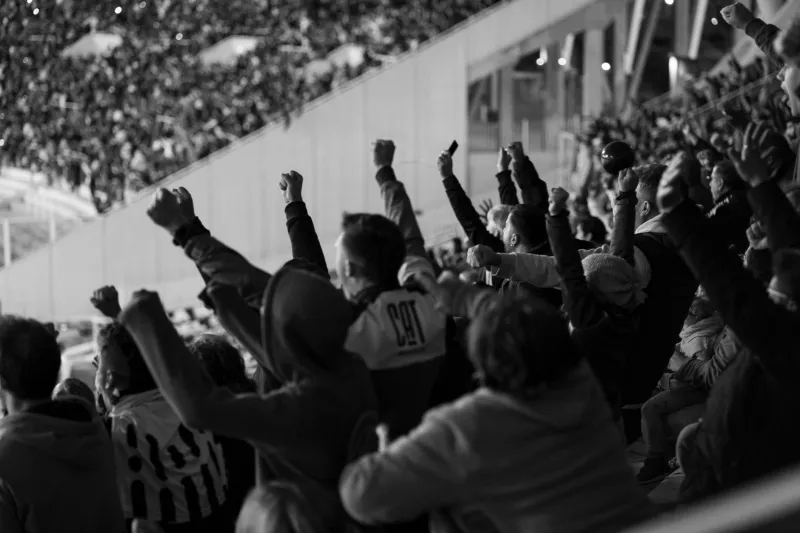
If you're new to the club and trying to figure out where to start, the good news is that you don't need a PhD in Saudi football history to feel the pull. Start with the derby — Al Ittihad versus Al Ahli is the kind of fixture that communicates everything you need to know about what the club means to its fans without a single word of explanation. Watch the atmosphere. Watch the stands.
Then dig into the history a little. Look up the league titles, the continental campaigns, the players who've worn the yellow and black with genuine pride. Follow some match coverage here at Ittihad Nation and let the story build naturally.
Authenticity isn't something you can explain in a highlight reel. It's something you feel after you've been paying attention for a while — after you've celebrated a late winner and cursed a missed penalty and started actually caring about the table standings.
That's where Al Ittihad is waiting for you. Not with a slick onboarding campaign. Just with a hundred years of real football and a city that means it.
Welcome to the Nation.