Why Al Ittihad Is Quietly Becoming the Cult Favorite of American Sports Fans Who Never Saw It Coming
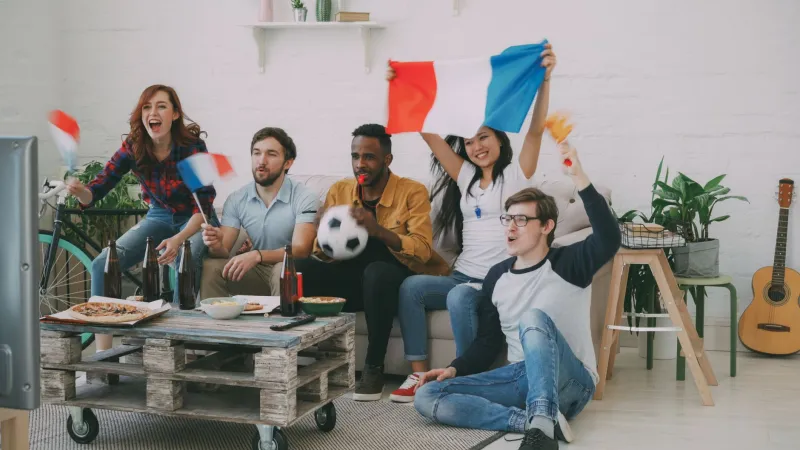
Nobody scheduled this. There was no marketing campaign targeting college dorms in Austin or sports bars in Brooklyn. No algorithm was deliberately nudging American fans toward Jeddah. And yet, if you spend any time in football communities online — Reddit threads, TikTok comment sections, Discord servers — you keep bumping into the same thing: American fans who stumbled onto Al Ittihad and just... stayed.
Call it the Ittihad Effect. It's real, it's growing, and it says something genuinely interesting about where fan culture in the US is heading right now.
The Numbers Are Actually Moving
Social media analytics don't lie, even when the story they're telling surprises you. Al Ittihad's English-language social accounts have seen consistent engagement spikes tied to North American time zones — a pattern that stands out against the club's historically Middle Eastern and Arab diaspora fanbase. On platforms like X and Instagram, post interactions from US-based accounts have trended upward steadily over the past couple of seasons, particularly around high-profile signings and derby matchups.
More telling is the YouTube and streaming data. When matches become available through platforms accessible in the US, watch-through rates from American IP addresses are climbing. These aren't casual one-time clicks. The session lengths suggest people are actually watching full matches, not just highlight clips. That's a different level of investment.
For context: the Premier League spent decades and hundreds of millions of marketing dollars building its American fanbase. Al Ittihad is doing something similar, just organically, and without a blueprint.
Gen Z Doesn't Care About Your Gatekeeping
Here's the cultural piece that makes this make sense. Younger American sports fans — particularly Gen Z and older millennials who grew up with the internet — have a fundamentally different relationship with sports loyalty than their parents did. The idea that you're supposed to support your local team, follow the "right" leagues, and earn your fandom credentials through years of suffering has lost a lot of its grip.
For this generation, fandom is about connection, identity, and finding communities that feel authentic. If a club 7,000 miles away checks those boxes better than the hometown franchise that's been mediocre for a decade, the choice isn't actually that hard.
Al Ittihad fits this mindset well. The club has a passionate, vocal global fanbase. Its rivalries are intense and emotionally legible — even to someone who just learned what the Saudi Pro League is. The yellow and black color scheme is visually distinctive. And the club's history carries genuine weight, even if American fans are just now discovering it.
There's also something to the underdog narrative — or more precisely, the outsider narrative. Following Al Ittihad in the US still feels like being in on something that the mainstream sports media hasn't fully caught up to. That exclusivity is catnip for a certain kind of fan.
Streaming Changed Everything
This growth doesn't happen without accessibility, and the streaming landscape shift over the last few years has been a quiet game-changer for Saudi Pro League viewership in the US.
When matches are available through platforms American viewers already use — or through straightforward subscription options without complicated regional workarounds — the friction drops dramatically. The old barrier of "I don't even know how to watch this" disappears. And once that barrier is gone, curiosity is enough to get someone in the door.
The timing matters too. Saudi Pro League matches often kick off at times that, while not always convenient, fall within windows American viewers can work with on weekends. It's not the brutal 3 AM alarm situation that early Premier League adopters dealt with in the pre-streaming era. Fans are finding ways to fit Al Ittihad into their viewing schedules, and the club's digital highlights ecosystem means even missed live matches can be consumed quickly the next morning.
An International Roster That Builds Bridges
One of the most underrated factors in Al Ittihad's American crossover appeal is the roster itself. The club's investment in high-profile international players has created natural entry points for fans from different football backgrounds.
For American fans who already follow European football, seeing familiar names in Al Ittihad's lineup lowers the barrier to caring. You already have an opinion on these players. You already have a relationship with their story. Watching them perform in a new context, in a different league with different tactical dynamics, is genuinely interesting — not just as novelty, but as football analysis.
For fans who came in through MLS or the US national team, the international roster provides connective tissue to a broader global game. Al Ittihad stops feeling like a foreign entity and starts feeling like another node in a football world they're already exploring.
This is how clubs build international fanbases in the modern era. Not through expensive ad campaigns, but through roster decisions that make the club legible and relevant to audiences who weren't originally part of the target market.
The Digital-First Fan Experience
Al Ittihad's approach to digital engagement deserves more credit than it typically gets in Western sports media. The club has invested in content that travels — match highlights, behind-the-scenes footage, player features — in formats optimized for the platforms where younger American fans actually spend their time.
This isn't revolutionary stuff. Every major club does some version of it. But Al Ittihad's execution has been consistent enough, and the content interesting enough, that it's broken through for audiences who weren't actively seeking it out. The algorithm rewards consistency and quality, and the club has delivered both.
Fan communities on Reddit and Discord have also played a role. Spaces where American fans can ask basic questions without getting mocked — "Who are the main rivals?" "What's the history with Al Hilal?" — accelerate the onboarding process dramatically. The existing Al Ittihad fanbase, particularly members who are bilingual and globally connected, has been welcoming rather than territorial. That matters more than people realize.
What This Means Going Forward
The Ittihad Effect isn't a fluke, and it's not going away. The conditions that created it — streaming accessibility, a generation of fans unbound by geographic loyalty, a globally constructed roster, strong digital content — aren't temporary. If anything, they're intensifying.
What's interesting is how this growth is happening without the club necessarily designing for it. Al Ittihad isn't running a "win America" campaign. American fans are just showing up, finding a community, and deciding to stay. That kind of organic growth is harder to manufacture and more durable than anything a marketing budget can buy.
For American sports fans still on the fence, the question isn't really whether Al Ittihad is worth following. The question is whether you're curious enough to find out. Based on the trends, a lot of people are answering yes — and not regretting it.