Al Ittihad Is a Business Case Study That Wall Street Hasn't Caught Up to Yet

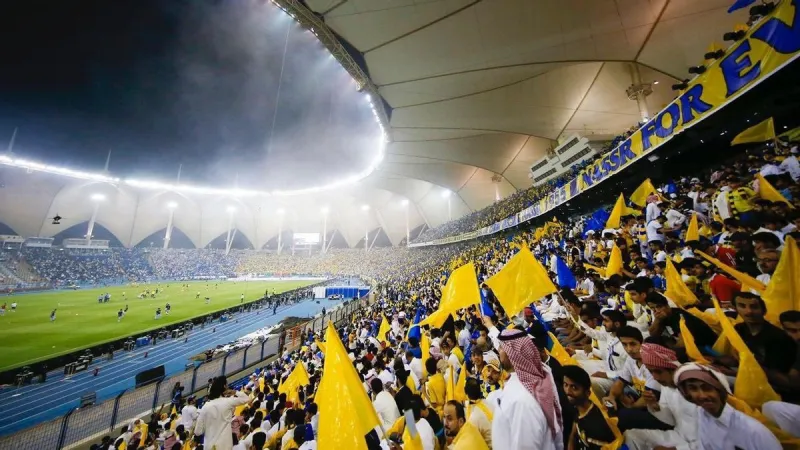
Photo: JeanxcPalmer, CC BY-SA 4.0, via Wikimedia Commons
There's a moment in every emerging market story where the early movers look either visionary or reckless — and it's only in hindsight that you figure out which. Right now, American investors watching the Saudi Pro League are standing at that exact inflection point. And Al Ittihad FC might be the clearest argument that the visionaries are winning.
This isn't a piece about soccer tactics or league standings. This is about money, strategy, and why a football club in Jeddah is quietly becoming one of the more interesting business stories in global sports.
The Model Isn't New — But the Scale Is
To understand what's happening with Al Ittihad, it helps to understand the broader context. The club is backed by the Public Investment Fund (PIF), Saudi Arabia's sovereign wealth vehicle, which has become one of the most aggressive sports investors on the planet. Golf, tennis, boxing, Formula 1 — PIF has touched all of it. Football is the crown jewel.
What makes the Al Ittihad case specifically interesting to analysts isn't just the spending. It's the intentionality behind it. The club isn't buying stars randomly. It's constructing a brand — one with global legibility, local authenticity, and commercial upside that most American sports franchises would envy.
Think about how the Golden State Warriors were valued before and after they built a championship culture and moved into the Chase Center. Or how the Las Vegas Raiders' valuation shifted the moment they landed in a new market. Brand-building in sports isn't charity — it's compounding equity. Al Ittihad is in that phase right now, and the numbers are moving accordingly.
Star Acquisitions as Market Signals
When Karim Benzema — one of the most decorated players in football history — chose Al Ittihad over a comfortable European retirement, the football world took notice. But the business world should have been equally attentive.
High-profile signings in sports aren't just athletic decisions. They're marketing events, sponsorship catalysts, and media rights leverage. Every time a globally recognized name puts on the yellow and black, it expands the addressable audience for Al Ittihad's commercial partners. Shirt sales spike. Social media followings grow. Broadcast negotiations shift.
For American investors familiar with how LeBron James transformed the Lakers' commercial value or how Lionel Messi's arrival in Miami triggered a wave of Inter Miami merchandise and MLS subscription upticks, the mechanism is identical. The difference is that Al Ittihad is doing this in a market where the ceiling hasn't been established yet — which is either terrifying or thrilling, depending on your risk appetite.
The Infrastructure Play Underneath the Headlines
Here's what gets lost in the transfer gossip: Al Ittihad's long-term business model isn't purely dependent on star power. The club is simultaneously investing in youth development systems, stadium infrastructure, and digital media capabilities. These are the kinds of unsexy, compounding investments that separate sustainable sports businesses from one-cycle wonders.
Any entrepreneur who's built a company understands this distinction. You can spike revenue with a big marketing push, but retention — and long-term enterprise value — comes from the systems underneath. Al Ittihad is building both simultaneously, which is genuinely rare and genuinely impressive.
The youth academy pipeline, in particular, is worth watching. Developing homegrown talent reduces wage dependency on expensive imports and builds a deeper connection between the club and its local community. That's not just good football management. That's sound business.
What American Investors Are Actually Watching
Conversations in American investment circles around Saudi football have evolved considerably over the past two years. Early skepticism — is this sustainable? is this just sportswashing? — has given way to more nuanced questions about market structure, media rights trajectories, and consumer behavior in the Gulf region.
The Saudi Pro League's media rights deals are still relatively modest compared to the Premier League or even MLS. But that gap represents opportunity, not weakness. Rights valuations in emerging leagues tend to follow audience growth with a lag. As the SPL's global viewership numbers climb — driven in no small part by the star power clubs like Al Ittihad have assembled — the rights market will reprice. Investors who understand that dynamic have seen this movie before.
For context: MLS media rights were worth very little in the league's early years. The recent Apple TV deal, worth roughly $2.5 billion over ten years, reflects decades of audience-building finally hitting a commercial tipping point. Saudi football is earlier in that curve — but it's on the same curve.
Why This Matters Beyond the Balance Sheet
There's a softer argument here too, and it's worth making. Al Ittihad's rise is part of a broader shift in where sports culture gets created and exported. For most of the 20th century, that cultural export engine ran through North America and Western Europe. That's changing.
The clubs and leagues that are growing fastest right now are doing so by blending global talent with local identity — and doing it with serious financial backing. Al Ittihad is a case study in that model. It's not trying to be the Premier League. It's trying to be something new: a globally relevant club with deep roots in a market that the rest of the world is just beginning to take seriously.
For American entrepreneurs and investors, the question isn't whether Saudi football is 'real.' That debate is over. The question is whether you want to be watching from the sidelines when the next phase of valuation growth kicks in — or whether you want to understand the story well enough to have a seat at the table.
Al Ittihad isn't just a football club anymore. It's a proof of concept. And the proof is getting harder to ignore.