How Following Al Ittihad Broke Everything I Thought I Knew About Soccer
The Map You Were Given Was Incomplete
If you grew up getting into soccer in America, someone probably handed you a mental map of the sport. At the center of that map: the Premier League. Maybe the Champions League. A little Bundesliga if you were feeling adventurous. Everything else — Serie A, Ligue 1, and definitely the Saudi Pro League — existed somewhere off the edge, in the unlabeled territory where explorers used to write here be dragons.
That map made sense for a while. The Premier League is genuinely great. The production quality is slick, the commentary is accessible, and the clubs have spent decades marketing themselves to exactly the kind of casual American fan who wants to pick a team and feel like part of something global.
But maps can also limit you. And somewhere along the way, a lot of American fans stopped questioning theirs.
Then Al Ittihad showed up.
The Assumption Nobody Realized They Were Making
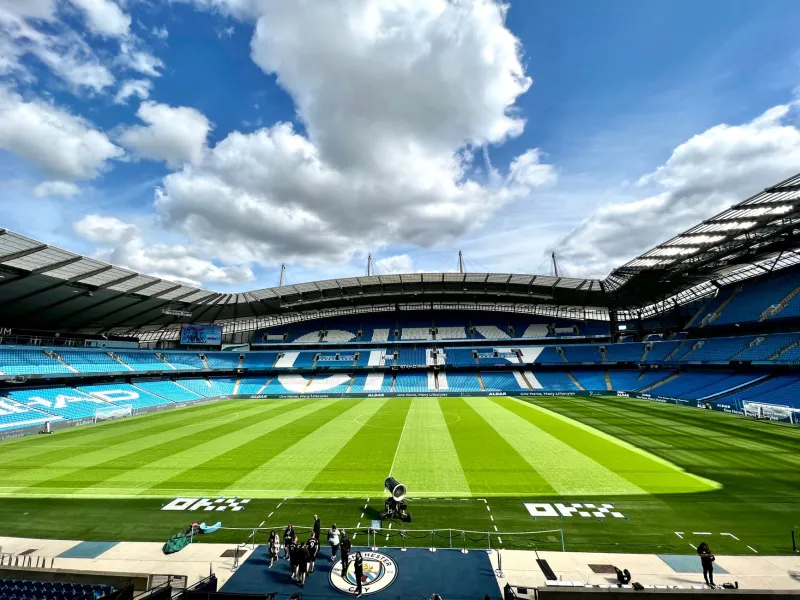
Here's the thing about assumptions — they're invisible until something cracks them open. For a lot of US fans who stumbled into following Al Ittihad, the first crack wasn't a transfer signing or a viral highlight. It was something quieter: the realization that the emotional texture of a match at King Abdullah Sports City felt completely different from anything they'd been watching on NBC Sports.
The intensity wasn't manufactured. There was no studio analyst explaining to you how to feel. The crowd wasn't performing for a camera. It was just football — raw, loud, and deeply local in a way that Premier League matches, for all their quality, sometimes aren't anymore.
That dissonance is the starting point. Once you feel it, you can't unfeel it.
American sports culture has a complicated relationship with authenticity. We celebrate it when we find it — think of the way college football fans talk about atmosphere, or how NBA diehards compare arena energy across cities. We know the difference between a crowd that's there and a crowd that's invested. Al Ittihad's fanbase is invested in ways that don't translate neatly into a highlight package, and that's exactly what makes it interesting.
Tactical Sophistication Doesn't Require a Postcode in London
Another assumption that tends to crumble pretty fast: the idea that sophisticated football only happens in Europe.
This one is understandable. European leagues have had decades of infrastructure, coaching development, and media coverage to build on. But the Saudi Pro League in 2024 isn't the league it was in 2015, and Al Ittihad specifically has been doing things tactically that deserve more serious attention than they're getting from Western analysts.
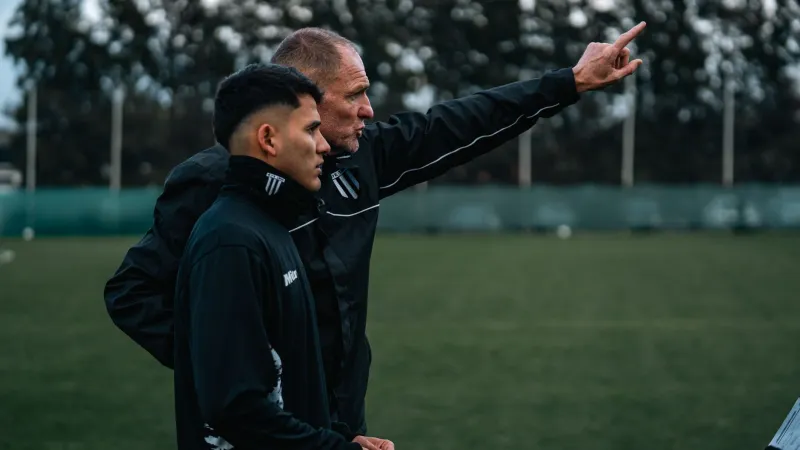
The way the club has integrated high-profile signings into a functioning system — rather than just assembling a collection of names and hoping for the best — reflects genuine coaching intelligence. The pressing structures, the positional rotations, the way the team responds to in-game adjustments: none of this is accidental. It's the product of a club that's been thinking seriously about football for a long time.
For American fans who've been trained to evaluate soccer through a European lens, watching Al Ittihad with fresh eyes forces a recalibration. You start asking different questions. Not is this as good as the Premier League? but what is this doing that the Premier League isn't?
That's a more interesting question. And it leads somewhere more honest.
The Player Development Story Nobody's Telling
One of the quieter narratives around Al Ittihad that tends to reframe how American fans think about the sport is the player development pipeline. The conversation around Saudi football in US media has been almost entirely dominated by the big-money veteran signings — the established stars arriving in the final chapters of their careers. That story is real, but it's incomplete.
Al Ittihad has been developing Saudi players for decades. The domestic talent that runs through this club represents a football culture with its own history, its own stylistic identity, and its own standards. When American fans start engaging with that layer of the story, something shifts. The club stops being a novelty and starts being a place — somewhere with roots, not just a roster.
This matters because American sports fans actually understand this dynamic better than they think. The conversation about player development in the NBA, the way college football programs serve as cultural institutions for their regions, the pride that comes from watching a homegrown player make it — all of that translates. Al Ittihad's domestic core is the equivalent of that story, just told in Arabic and yellow.
What Fan Psychology Has to Do With Any of This
Here's where it gets a little meta. Following a club like Al Ittihad from the United States does something to your fan psychology that supporting a Premier League team — from a distance, via a cable subscription — often doesn't.
It makes you choose. Deliberately.
There's no ambient cultural pressure to support Al Ittihad. Nobody at your office is wearing an Ittihad kit. There's no ready-made community waiting for you at the sports bar. You have to seek it out, build it, and invest in it on purpose. And that intentionality changes your relationship with the sport.
Research on fan psychology consistently shows that the effort we put into something affects how much we value it. The harder it is to access, the more meaningful the payoff feels. American fans who've gone out of their way to follow Al Ittihad — setting alarms for early morning kickoffs, hunting down streams, learning the context behind rivalries — tend to describe a level of engagement with the sport that they hadn't felt in years.
That's not a coincidence. That's what genuine fandom feels like when it's not handed to you pre-packaged.
So What Do You Actually Do With This?
None of this is an argument that Al Ittihad is better than the Premier League, or that Saudi football is the new center of the soccer universe. That's not the point.
The point is that the map most American soccer fans are working from has some significant blank spots, and Al Ittihad is one of the most interesting things happening in those blank spots right now. Following this club doesn't require you to abandon anything you already love about the sport. It just asks you to expand your frame.
And when you do — when you start watching matches with genuine curiosity instead of just confirming what you already believe about soccer — you tend to find that the game is bigger, stranger, and more compelling than the version you were originally sold.
That's the Ittihad effect. It doesn't announce itself. It just quietly rewires how you watch football, until one day you realize you're asking questions you never thought to ask before.
Welcome to the blank space on the map. It's more interesting here than anyone told you.