How Al Ittihad Is Quietly Rewriting the Global Sports Marketing Playbook
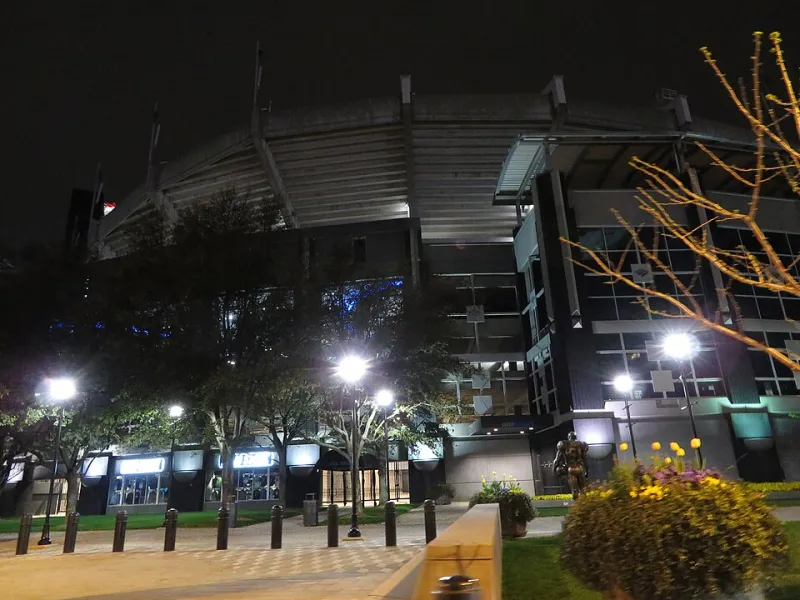
Photo: Ken Lund from Reno, Nevada, USA, CC BY-SA 2.0, via Wikimedia Commons
For decades, the formula for becoming a globally recognized sports brand was pretty straightforward: win trophies in a major European league, sign a few marketable stars, and let the merchandise sales follow. Real Madrid did it. Manchester United turned it into an art form. The NBA exported it across every continent.
But something different is happening in Jeddah right now, and it's starting to turn heads in boardrooms from Los Angeles to New York.
Al Ittihad — the Tigers, the most decorated club in Saudi football history — isn't following that old playbook. They're writing a new one. And whether American sports fans realize it or not, they're watching a brand-building experiment that could reshape what global sports fandom looks like for the next generation.
The Old Rules Don't Apply Anymore
Traditional sports marketing wisdom says you build domestically first, then export. You earn your credibility on the pitch before you chase international eyeballs. The idea of a club from outside Europe or North America aggressively targeting a US fanbase while simultaneously competing at the top of its domestic league would have sounded absurd ten years ago.
But Al Ittihad has effectively flipped that logic. By attracting marquee international talent — names that American sports fans already knew before they ever heard of the Saudi Pro League — the club didn't ask US audiences to come learn something new. It brought something familiar into a new context.
That's a genuinely clever piece of brand strategy. Instead of asking casual American sports fans to invest emotionally in an unknown product, Al Ittihad leveraged existing emotional connections. You already had a relationship with certain players. The club essentially said: come for who you know, stay for what we're building.
What Makes the Ittihad Approach Different
Let's be honest — several Saudi clubs made splashy signings around the same period. So what separates what Al Ittihad is doing from a simple checkbook exercise?
A few things stand out when you look closely.
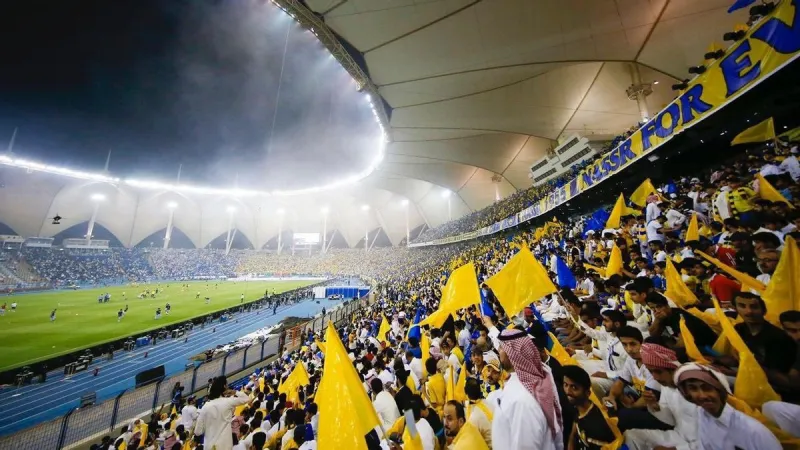
First, there's the identity consistency. Al Ittihad has a genuine history — founded in 1927, a record number of Saudi league titles, a passionate and vocal local fanbase in Jeddah. The club didn't reinvent itself to chase international attention. It amplified what it already was. That authenticity matters. American sports fans are sophisticated enough to smell a manufactured moment, and what Al Ittihad offers feels rooted in something real.
Second, the club has leaned into digital-first storytelling in a way that older European giants have been slow to adopt. Short-form content, multilingual social media engagement, and behind-the-scenes access have made the club feel accessible to fans who will never set foot in King Abdullah Sports City. For a US fan sitting in Ohio or Texas trying to connect with a club eight time zones away, that accessibility is everything.
Third — and this is the part that marketing analysts should be paying close attention to — Al Ittihad is building community infrastructure around international fandom, not just passive viewership. There's a difference between someone who watches a highlight reel and someone who sets an alarm at 2 a.m. to catch a match live. The latter is a fan. Al Ittihad is cultivating the latter.
The American Sports Parallel
If you want to understand what Al Ittihad is attempting on a global scale, look at what the Golden State Warriors did domestically in the 2010s. Before their dynasty run, the Warriors were a mid-market NBA team with a regional following and modest national brand recognition. Then they built a system, won championships, signed transcendent talent, and suddenly became a global phenomenon.
The key wasn't just winning. It was winning in a way that was stylistically compelling and marketable. People who had never been to San Francisco suddenly owned Warriors gear.
Al Ittihad is running a version of that same play on an international stage — with the added complexity of bridging a significant cultural and geographic gap. The Saudi Pro League isn't the NBA, and Jeddah isn't the Bay Area. But the underlying brand mechanics are surprisingly similar: create something worth watching, attach it to names people already care about, and make it easy for new fans to plug in.
What This Means for the Future of Global Fandom
Here's the part that should genuinely interest American sports fans who are paying attention.
For most of the past 30 years, global sports fandom flowed in one direction — from Europe outward. Premier League clubs, Champions League nights, La Liga rivalries. American fans who wanted to follow international football picked from a menu that was almost exclusively European.
What Al Ittihad represents — along with the broader Saudi Pro League ambition — is the emergence of a legitimate alternative pole of gravity in global football. It's early. It's imperfect. There are real questions about competitive depth, scheduling conflicts with European club calendars, and whether the league can sustain the investment levels it's currently operating at.
But the brand-building is working. The conversation is happening. And the fact that a club from Jeddah is now regularly discussed on American sports podcasts, written about in mainstream US outlets, and followed by a growing community of stateside fans is not an accident. It's the result of a deliberate, ambitious, and frankly underappreciated strategic effort.
The Takeaway for American Fans
If you're already part of the Ittihad Nation community, you're not just a fan — you're an early adopter of what global sports fandom is becoming. The experience of following Al Ittihad from the US is different from following Manchester City or Barcelona. It requires more effort, more flexibility, and a willingness to engage with a football culture that doesn't always cater to Western convenience.
But that friction is also part of what makes it meaningful. The fans who are genuinely invested in Al Ittihad right now aren't casual clickers. They're people who sought this out, who made a deliberate choice to connect with something beyond the familiar.
That's exactly the kind of fanbase that builds something lasting — and it's exactly what Al Ittihad seems to be counting on.